
Yearly Archives: 2026
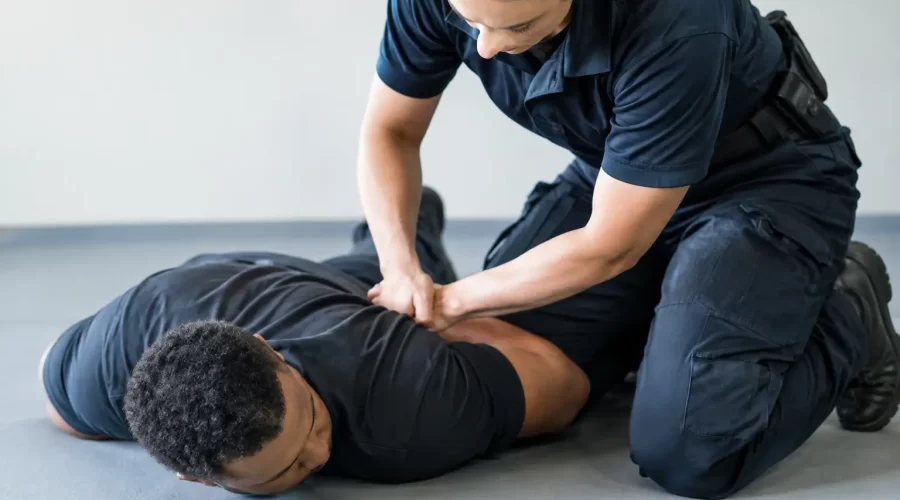
Preventing Positional Asphyxia During Restraint
Preventing positional asphyxia during restraint requires trained positioning, monitoring, communication, and rapid action when distress appears.
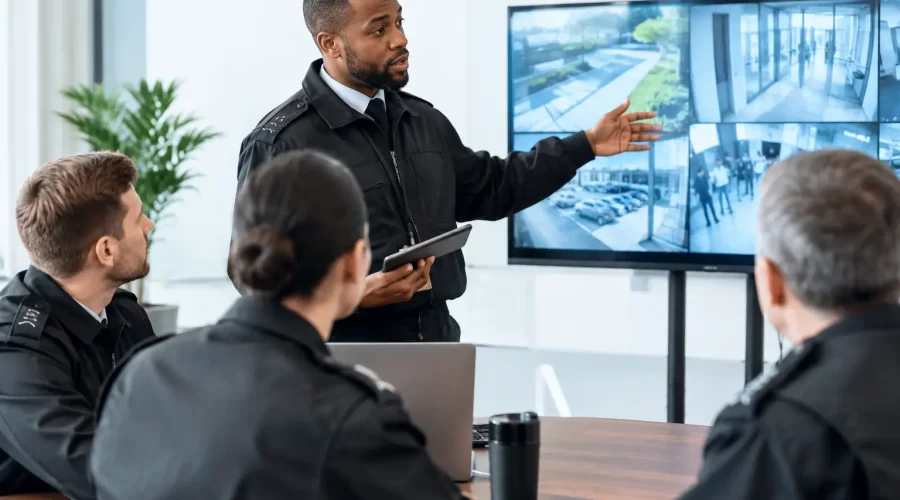
Threat Assessment Training for Security Teams
Threat assessment training prepares security and frontline teams to identify warning signs, document risk, intervene early, and protect people responsibly.

Can Security Guards Carry Batons? Know the Rules
Can security guards carry batons? Learn how state law, licensing, employer policy, and certified training determine when baton carry is authorized today.

Who Needs Force Training? Roles, Risks, Readiness
Who needs force training? Learn which security and workplace roles need certified instruction to manage conflict, protect people, and advance careers.

When Can Security Guards Use Restraints?
Learn when can guards use restraints, what reasonable force means, and how training, policy, and documentation protect people, careers, and operations.

Frontline Conflict Management Training That Works
Frontline conflict management training prepares security and service teams to assess risk, de-escalate early, document clearly, and respond responsibly.
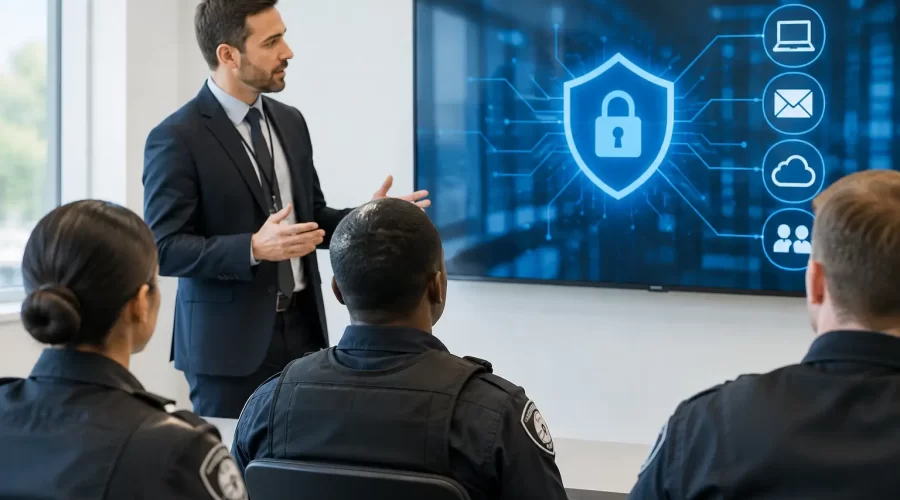
Cybersecurity Training for Frontline Security Staff
Cybersecurity training gives security professionals practical skills to identify threats, protect sensitive data, and strengthen workplace safety every day.

Handcuff Safety Techniques for Security Staff
Handcuff safety techniques help security professionals apply restraints responsibly, reduce injury risk, document decisions, and protect all involved.

Use of Force Reporting Guide for Security Teams
Use this use of force reporting guide to document incidents clearly, protect your credentials, and support lawful, professional security decisions daily.
What Force Level Is Reasonable in Security?
Learn what force level is reasonable for security professionals, how to assess threats, de-escalate safely, document actions, and protect your career.